The Fascinating History of During World War Ii Aviation Firmly
The Fascinating History of During World War Ii Aviation Firmly
Welcome to another journey through aviation history! In this article, we explore some incredible early developments in aeronautics.
Key Takeaways
- During World War II, aviation firmly established itself as a critical component of modern warfare
- from the Battle of Britain in the early stages to the great aircraft carrier battles
The Full Story
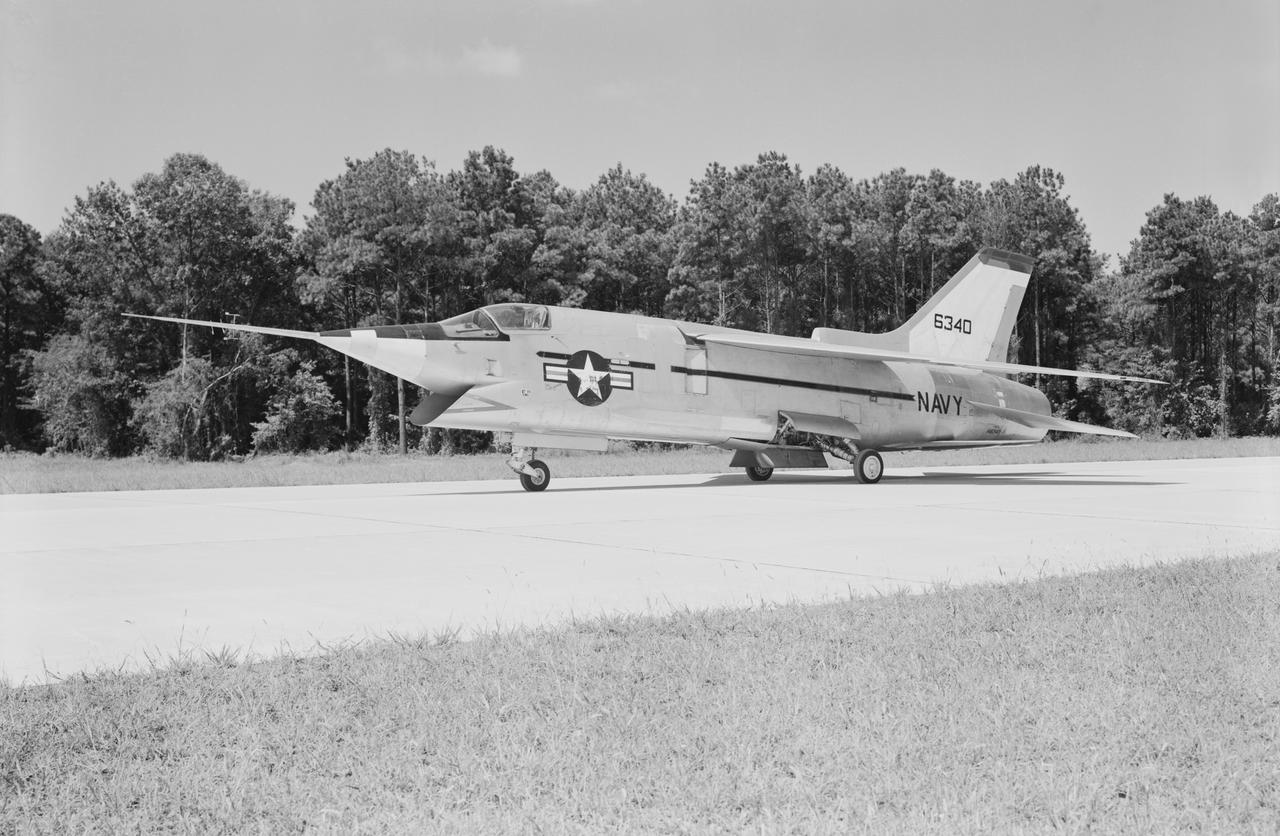
During World War II, aviation firmly established itself as a critical component of modern warfare from the Battle of Britain in the early stages to the great aircraft carrier battles between American and Japanese Pacific fleets and the final delivery of nuclear weapons. The major belligerents, Germany and Japan on one side and Britain, the United States and the USSR on the other, manufactured huge air forces which engaged in pitched battles both with each other and with the opposing ground forces. Bombing established itself as a major strategic force, and this was also the first war in which the aircraft carrier played a significant role. As with Aviation in World War I, military investment during World War II drove aviation forward in leaps and bounds. The streamlined cantilever monoplane quickly proved its worth in almost every role, although a few older biplanes remained in niche roles for much of the war. Engine power and aircraft performance increased steadily, with jet and rocket engines beginning to make their appearance by the end of the war. Avionics systems increased in sophistication and became more widespread, including power-assisted flight controls, blind flying instrumentation, radio communications and radar tracking. The development of civil aviation stagnated until peace could be restored, and in the combatant countries many existing civilian aircraft were pressed into military service. However military technologies developed during the war would revolutionise postwar aviation. In particular, the widespread construction of aerodromes with serviceable runways would provide the basis for a postwar move of long-range passenger flights from flying boats to land planes. == Aircraft == === Airframes === The streamlined cantilever monoplane (an airplane with one pair of wings) quickly proved its worth in almost every role, although a few older biplanes and other obsolescent types remained in niche roles for much of the war. Key design features during this period included: Stressed-skin semi-monocoque construction, typically of aluminium light alloy but sometimes of wooden or mixed construction. A clean, unbraced cantilever monoplane wing. Conventional tail or empennage, with bombers often adopting twin tail fins, believed to improve stability during the bombing run. Retracting landing gear of conventional configuration with a tailwheel or tailskid. Landing flaps. Variable-pitch propellers in tractor configuration. Fully enclosed cockpit. The retracting undercarriage gave landplanes a significant performance advantage over the equivalent seaplane, whose floats caused additional drag. In other respects, the evolution of seaplane design paralleled landplane developments. Seaplanes, typically flying boats, remained in use for long-range maritime operations. Smaller craft, typically floatplanes, remained in other niche areas such as mountain lakes where a runway was not feasible. Experiments on other configurations continued throughout the war, especially in Germany. A small number of twin tailboom types entered production, and some slower types designed for roles such as Army observation retained the older fixed undercarriage. Towards the end of the war the first jet aircraft entered service; the Arado Ar 234 reconnaissance bomber, Messerschmitt Me 262 Schwalbe (Swallow) fighter and Gloster Meteor fighter. The Messerschmitt Me 163 Komet (Comet)
This article was adapted from public domain historical archives to bring you accessible, plain English history.